
Print Revival for Travel Campaigns
For years, travel marketing has been dominated by digital. Paid search, social ads, and email automation have all played a central role in driving bookings. But as competition intensifies and digital fatigue grows, many travel brands are rediscovering the power of print.
Across the UK, travel and leisure direct mail is experiencing a resurgence, not as a replacement for digital, but as a high-impact channel that builds trust, inspires action, and supports measurable outcomes. For travel marketers, print is proving to be a strategic advantage once again.
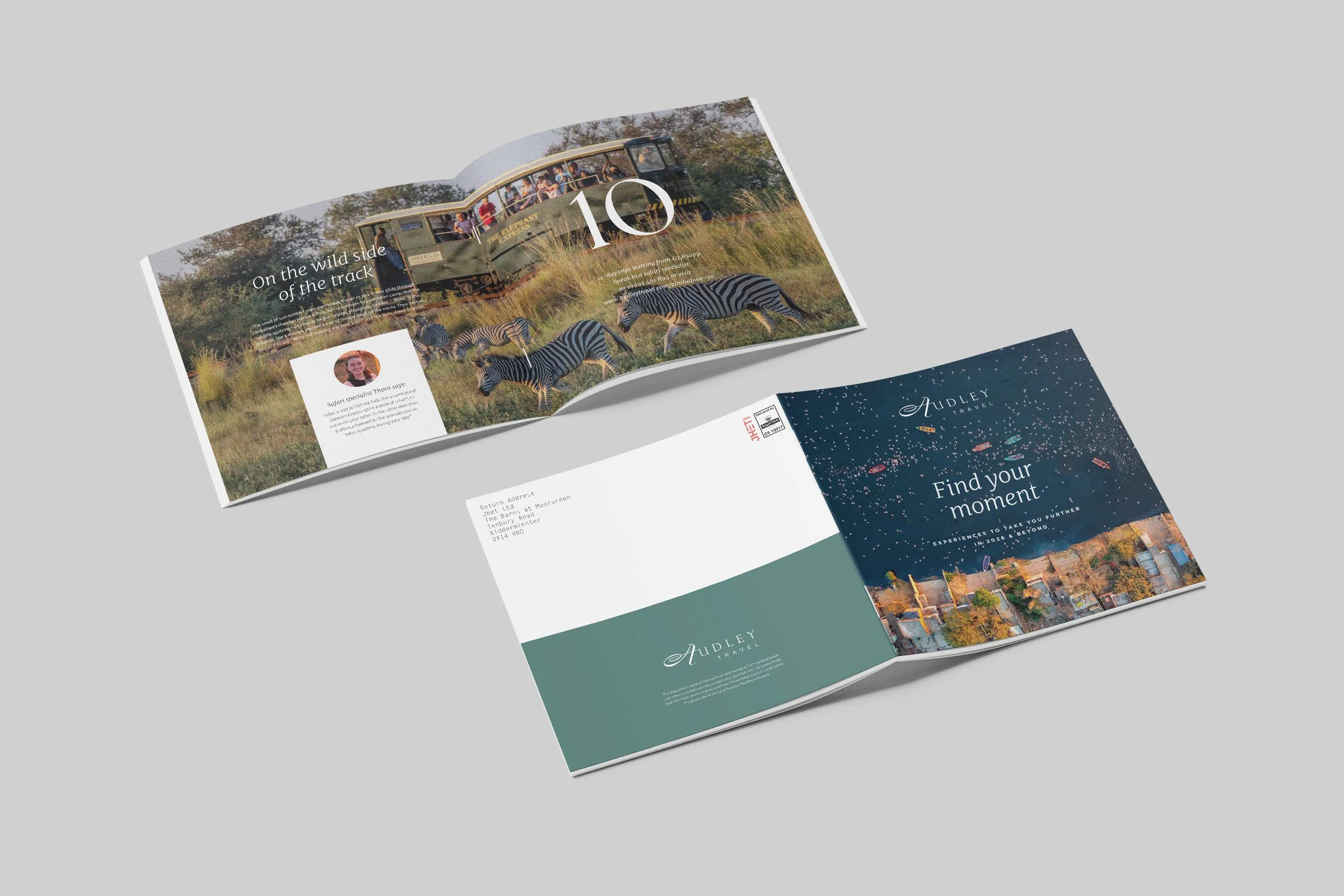
Why Print Is Making a Comeback in Travel Marketing
Travel is an inherently emotional purchase. People don’t just book trips, they imagine them. That makes the travel sector uniquely suited to physical, tactile marketing.
Industry research consistently shows that physical mail captures more attention than digital messaging. Direct mail is opened by around 90% of recipients, compared with average email open rates of 20–30% depending on sector and list quality[1].
This matters in travel marketing, where:
Purchase cycles are longer
Decisions are higher value
Trust and reassurance are critical
A well-designed piece of print, a brochure, postcard, or personalised mailer, has time to do its job. It isn’t scrolled past in seconds. It’s picked up, revisited, and often shared within a household.
Print Builds Trust in a High-Consideration Sector
Trust is one of the biggest challenges in travel marketing campaigns. With fluctuating prices, availability concerns, and consumer uncertainty, reassurance plays a major role in conversion.
According to JICMAIL (the UK’s Joint Industry Committee for Mail), mail is perceived as more trustworthy than many digital channels, particularly when used by established brands. Their studies show that mail drives higher brand consideration and is more likely to be remembered than digital display advertising.
For travel brands, this trust factor is critical. Print conveys permanence and legitimacy, qualities that are especially valuable when promoting:
Long-haul travel
Luxury breaks
Cruises and escorted tours
Family or once-in-a-lifetime trips
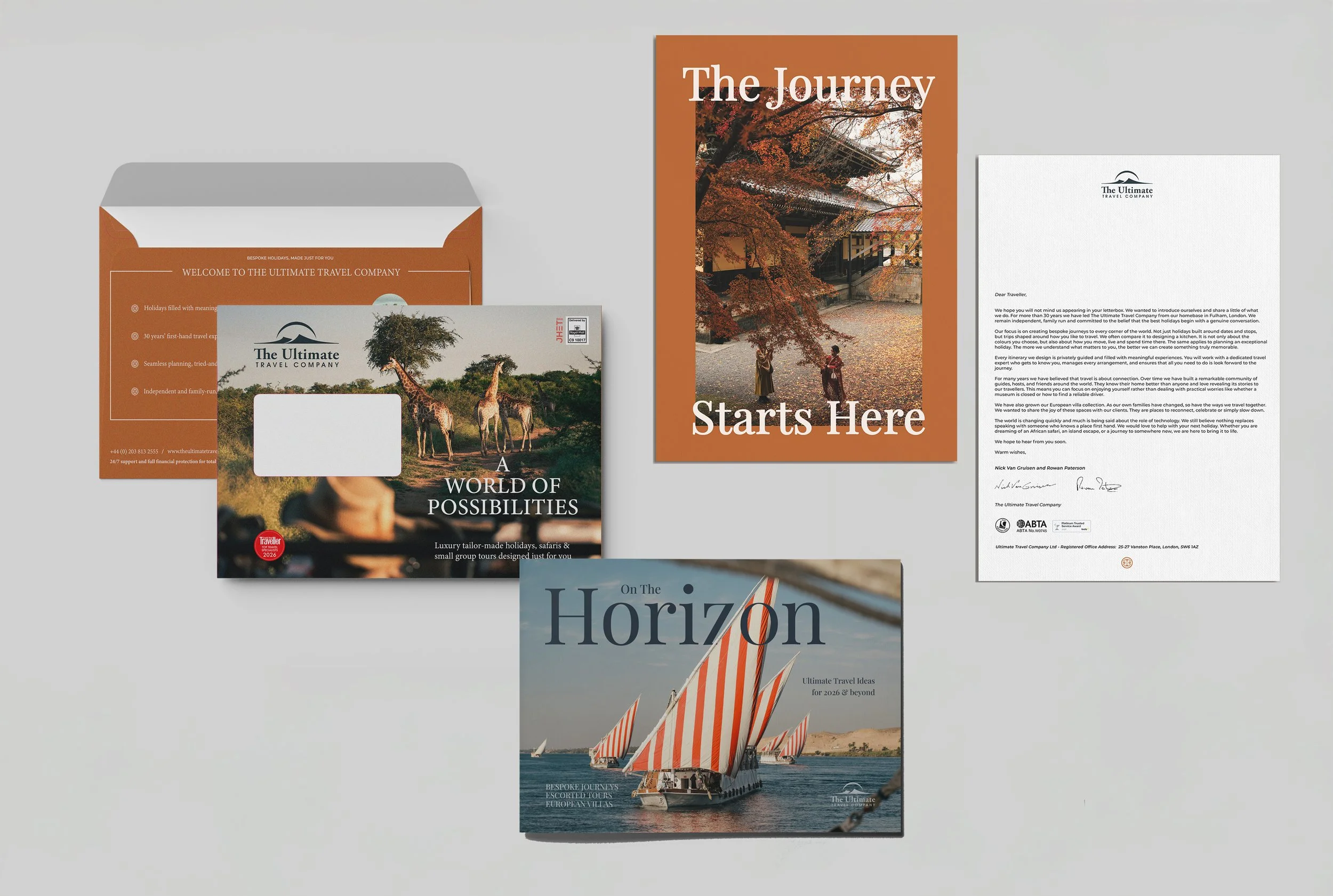
Travel and Leisure Direct Mail Drives Measurable Engagement
One of the biggest misconceptions about print is that it’s difficult to measure. In reality, modern travel and leisure direct mail is highly trackable when integrated with digital tools.
Past experiences have taught us that direct mail frequently drives:
Increased website visits
Higher search activity
Longer dwell time compared with digital-only campaigns
QR codes, personalised URLs (PURLs), and offer codes allow travel brands to track engagement, attribute conversions, and connect offline activity directly to bookings.
This makes print a powerful mid- and upper-funnel channel that supports performance marketing rather than competing with it.
Seasonal Timing: Where Print Excels
Travel demand is closely tied to seasonal behaviour, and this is where print performs particularly well.
Research also shows that mail is especially effective during periods of high planning intent, such as:
January (peak holiday booking window)
Early spring (summer holiday planning)
Late summer (autumn and winter escapes)
Unlike digital ads, which disappear as soon as budgets pause, print has longevity. A brochure or postcard can sit on a kitchen counter for weeks, continuing to influence decisions long after delivery.
For travel marketing campaigns, this extended visibility translates into stronger recall and higher likelihood of action.
Creative Formats That Inspire Travel Decisions
The revival of print isn’t just about channel choice, it’s also about creativity.
Travel brands are leaning into formats that reflect the excitement of travel itself:
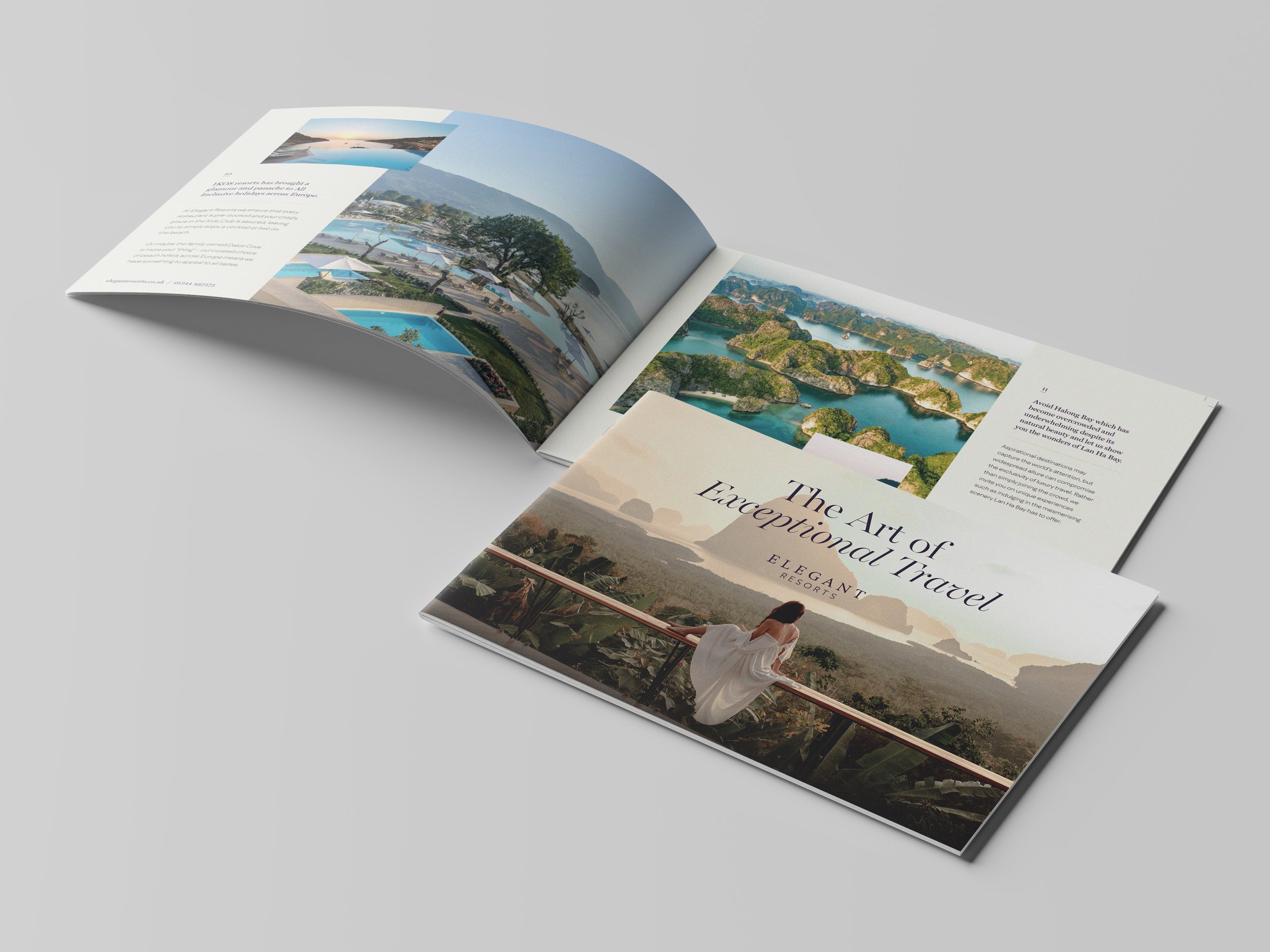
Destination-led imagery with premium finishes
Mini-brochures or curated travel guides
Personalised postcards based on previous trips
AR or QR-enabled mail linking to video, itineraries, or booking pages
The Foil & Specialty Effects Association (FSEA) recently stated that embellished print formats (such as textured coatings or foils) delivered a 31% higher response rate compared to standard print in a controlled direct mail test[2].
While not travel-specific, the finding reinforces the value of premium print in emotionally driven sectors like travel.
Print and Digital: Stronger Together
The most effective travel marketing UK campaigns don’t choose between print and digital, they combine them.
Examples include:
A printed brochure prompting users to scan a QR code to build a personalised itinerary
A postcard reinforcing destinations previously viewed online
A loyalty mailer triggering re-engagement before peak booking periods
Print acts as the emotional anchor; digital captures and converts intent.
Sustainability in Modern Travel Marketing
Sustainability is now a key consideration for both travellers and brands. Print has evolved here too.
Many travel marketers are now using:
FSC-certified or recycled paper stocks
Carbon-neutral print processes
Reduced pack sizes and waste-conscious formats
When done thoughtfully, print can support sustainability goals rather than conflict with them.
JHET’s Perspective on Print in Travel Campaigns
At JHET, we work with travel and leisure brands to design data-led, creative direct mail campaigns that inspire action and support measurable outcomes.
We believe print works best when it is:
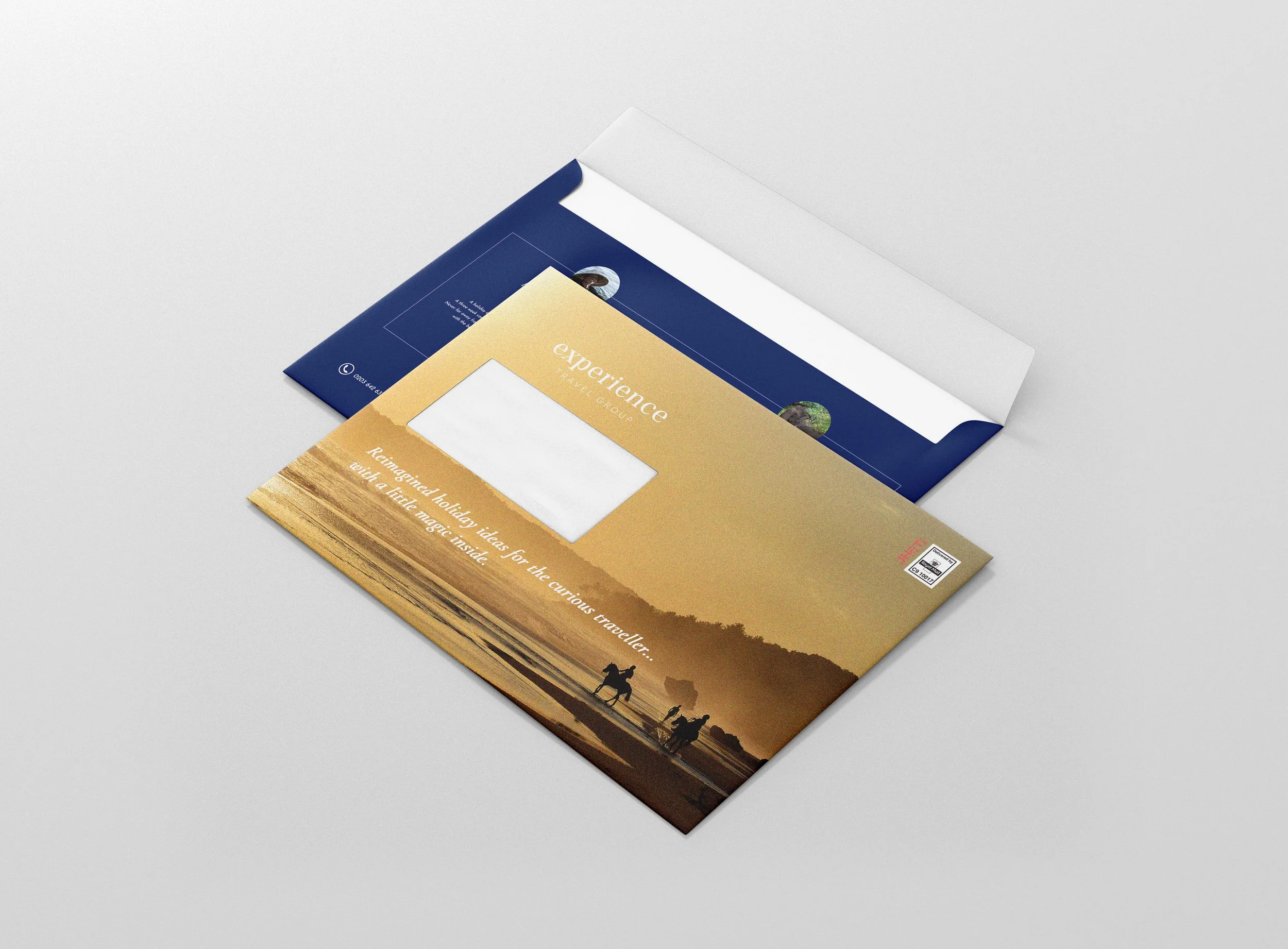
Strategically timed around booking cycles
Integrated with digital journeys
Designed to reflect the emotion of travel
Supported by clear measurement frameworks
From destination-led postcards to premium brochures and interactive mail, we help brands bring travel experiences to life, before customers ever leave home.
Final Thought: Why Print Belongs Back in Travel Marketing
The revival of print isn’t about nostalgia. It’s about effectiveness.
In a crowded digital landscape, print offers something travel marketing desperately needs: attention, trust, and emotional connection. When combined with modern data and digital integration, it becomes a powerful driver of engagement and bookings.
For travel brands looking to stand out, reconnect, and inspire, print is back where it belongs.
Ready to explore how print can elevate your next travel campaign?