
How Direct Mail Is Becoming So Effective for Fashion & FMCG Brands in 2026
Fashion and FMCG (Fast-Moving Consumer Goods) are crowded, fast-paced and fiercely competitive. Margins are tight, attention is fragmented, and loyalty is increasingly fragile.
These are just a few reasons why direct mail is becoming strategically valuable again in 2026, and even more so when it’s done properly.
Recent consumer insight shows that 84% of recipients read direct mail on the day it arrives[1], and more than 80% take some form of action afterwards. That level of immediate engagement is difficult to achieve in digital channels alone.
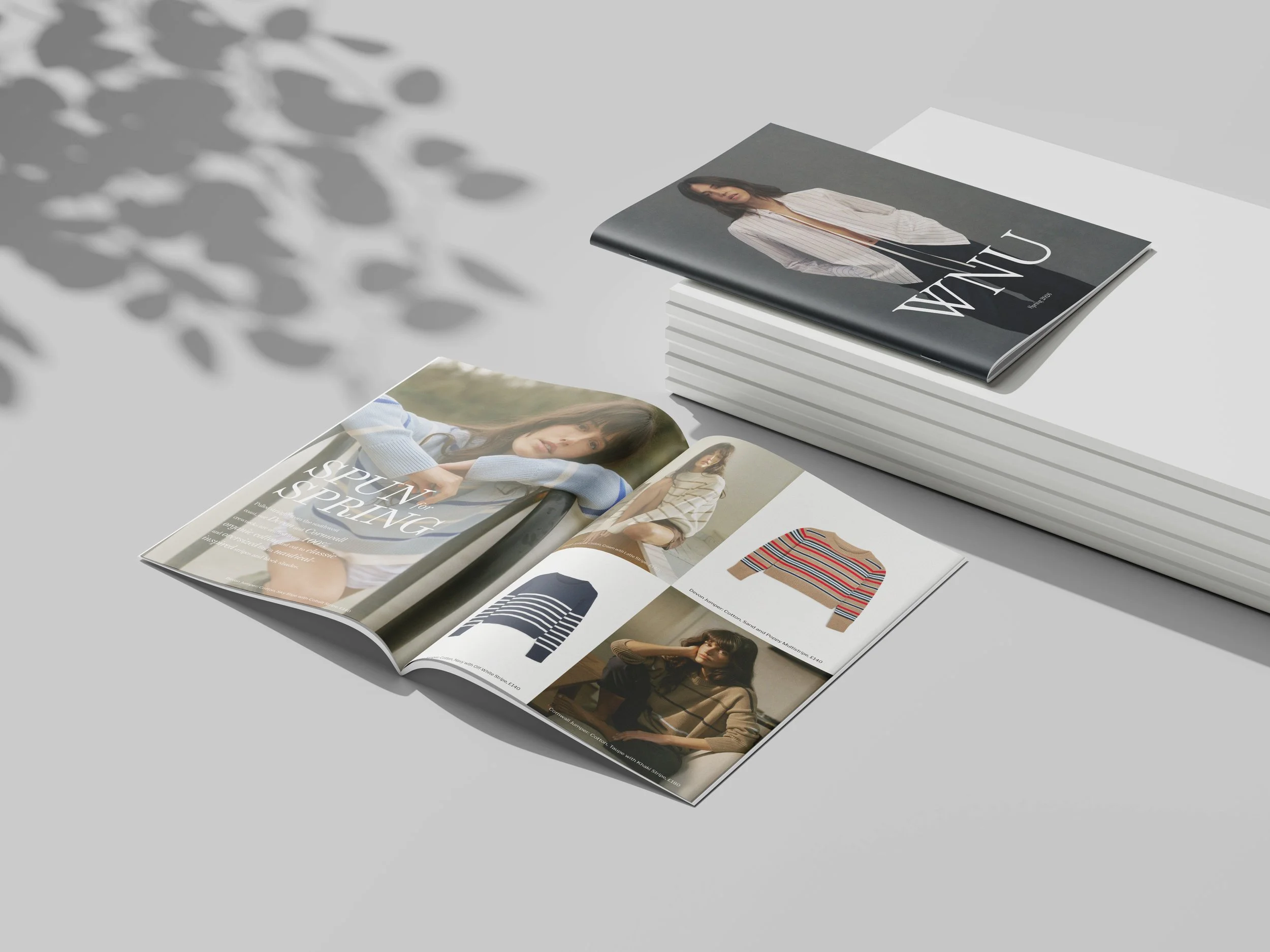
Fashion and FMCG compete on attention, not just reach
In both sectors, buying decisions are rarely purely rational. They are influenced by identity, aspiration, habit and familiarity.
Digital channels are excellent for scale, but scale does not guarantee attention. Scroll speeds are relentless and ad fatigue is real. Even strong creative can disappear in seconds.
Physical mail behaves differently however; it sits in the home, it’s picked up again, it lingers long enough for someone to properly absorb what they’re looking at.
Multi-channel effectiveness analysis consistently shows that campaigns integrating physical and digital channels outperform single-channel activity. Direct mail does not compete with digital, rather it strengthens it.
For fashion and FMCG brands, that reinforcement effect is where commercial value sits.
It fits naturally into fragmented shopping behaviour
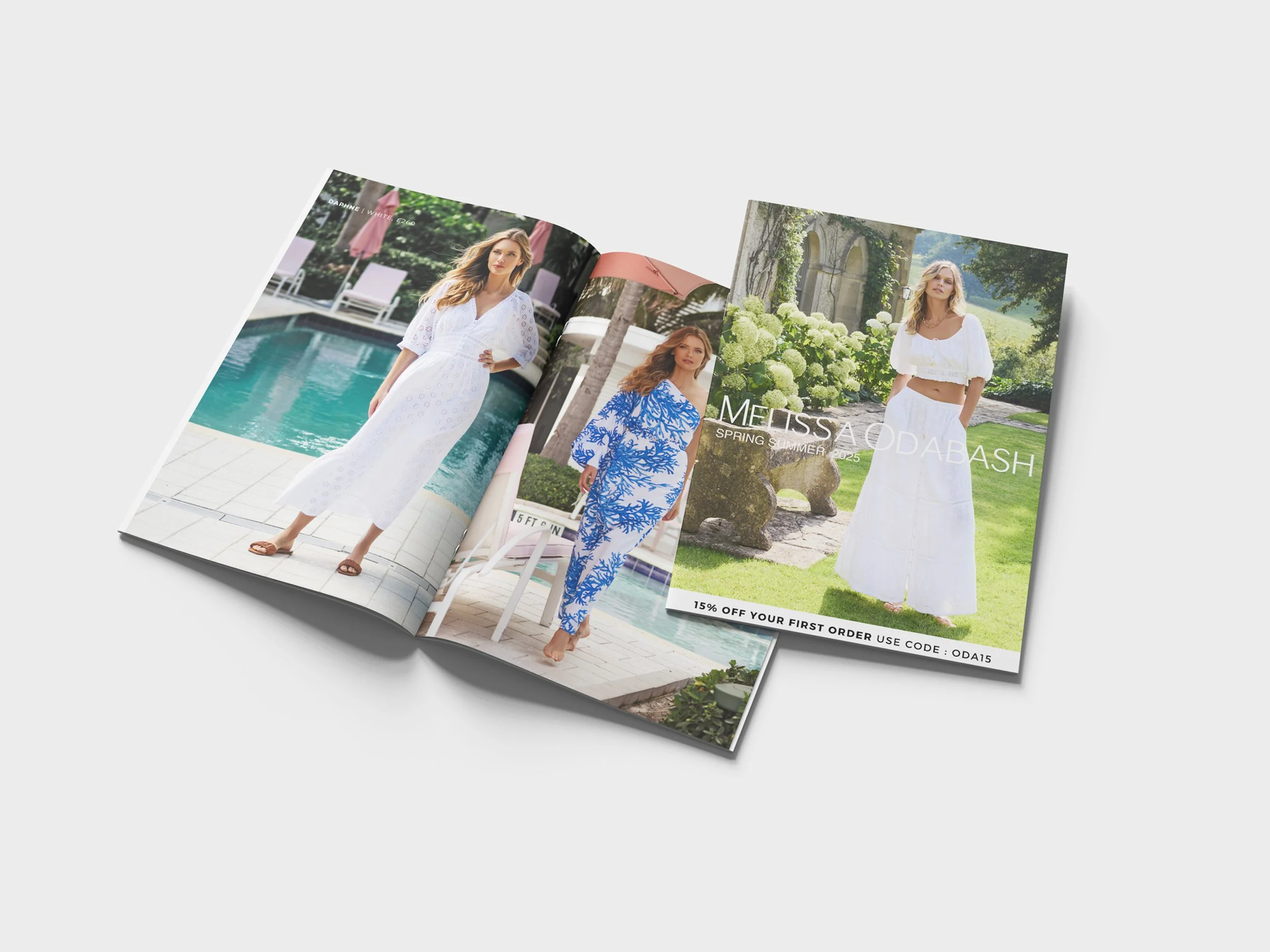
Consumer journeys in these sectors are rarely linear. Someone might browse on social, click through to the site, abandon cart, return days later, and only purchase after repeated exposure. Direct mail works best when it sits inside that rhythm rather than outside it.
A well-timed physical touchpoint can:
Reinforce previously viewed categories
Reintroduce a new collection
Prompt replenishment
Reactivate lapsed customers
So it becomes a reminder between digital touchpoints, not a replacement for them.
Personalisation is where performance shifts
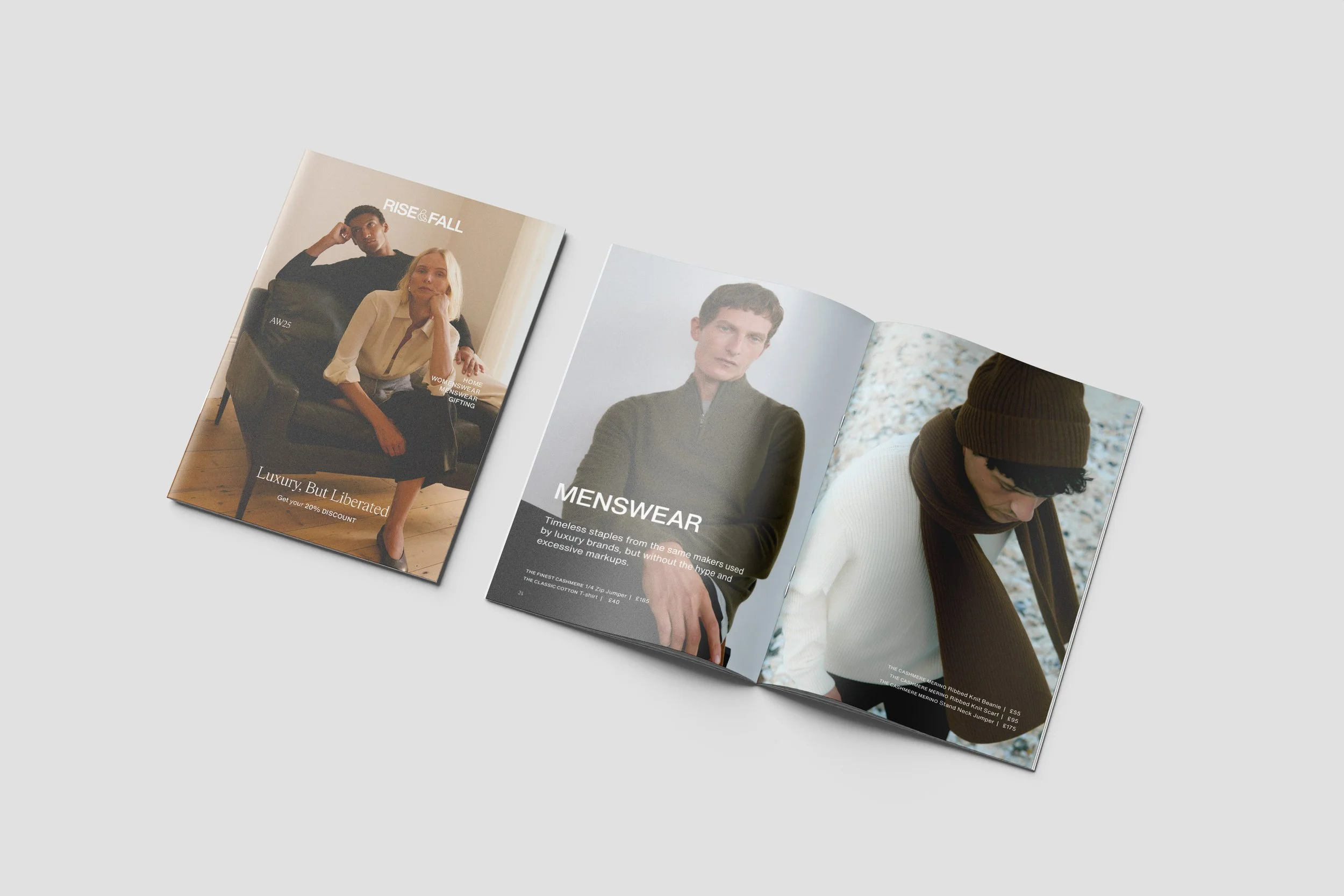
Generic catalogue-style mail still exists, but high-performing direct mail is different..
67% of consumers are more likely to act on personalised mail. In fashion and FMCG, that might mean tailoring imagery to style preferences, referencing purchase cycles, or curating selections based on browsing behaviour.
The shift from “Shop our range” to “Your seasonal edit” might seem subtle, but commercially it’s significant. When mail reflects intent, it feels relevant rather than intrusive.
QR codes have removed the measurement barrier
One of the biggest changes in modern direct mail is measurability. QR codes are now standard, acting as the bridge between physical attention and digital conversion. They allow brands to guide customers directly to tailored landing pages, apply exclusive offers automatically and track engagement by segment.
Guidance around automation and journey-based mail reinforces this structural shift. Direct mail is no longer an isolated channel. It is a connected performance touchpoint.
For fashion and FMCG brands under pressure to justify spend, that measurability changes the ROI conversation.
Why these sectors benefit disproportionately
Direct mail doesn’t perform equally across every category. Fashion and FMCG often see stronger returns because:
Purchase frequency is high
Visual storytelling drives conversion
Brand perception influences choice
Habit and repetition matter
Physical mail amplifies all four. While digital marketing captures intent, direct mail often reinforces and reactivates it.
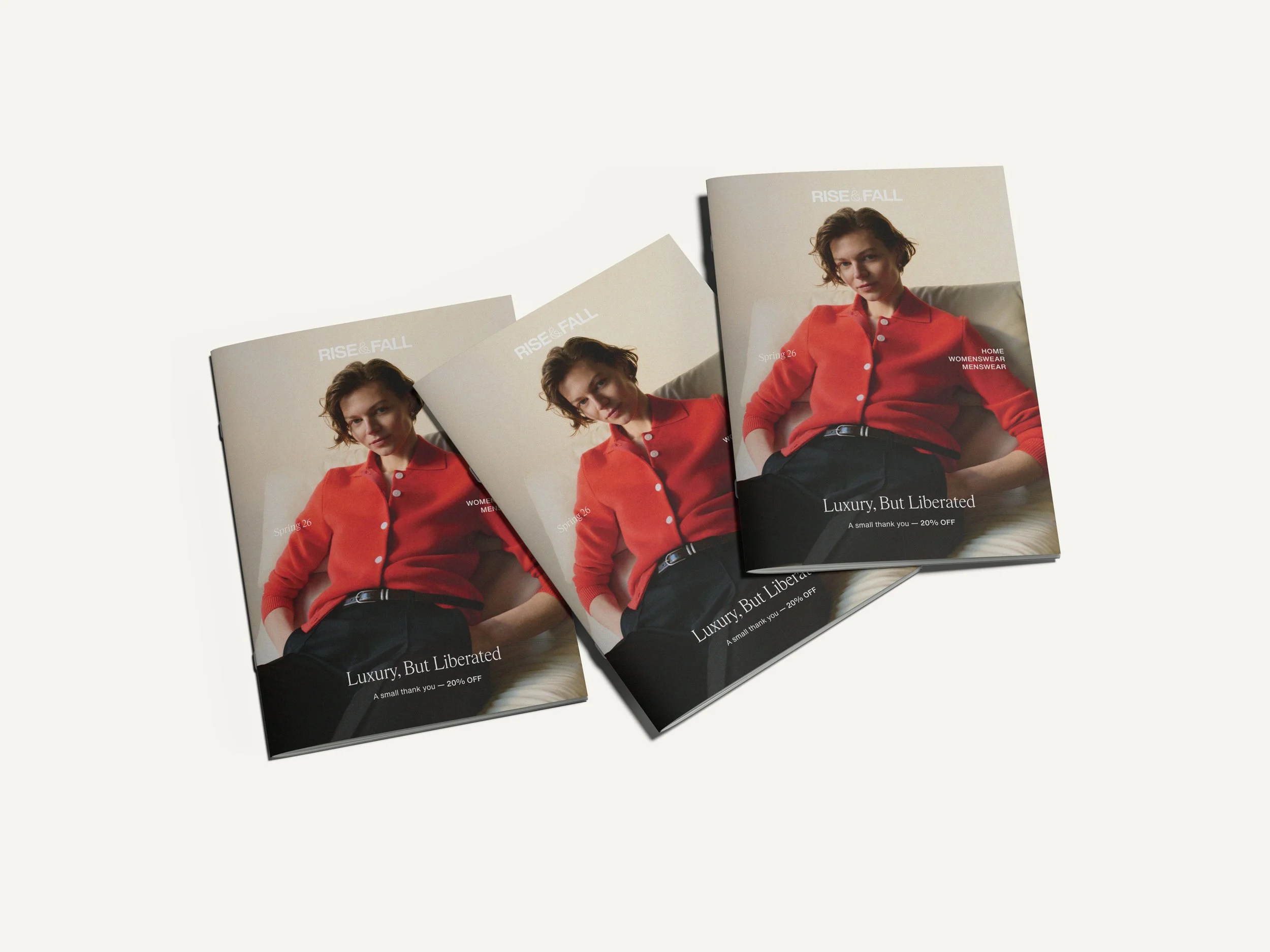
The difference is integration
Not all fashion and FMCG direct mail performs equally however. The strongest programmes share a common pattern: they are data-led, creatively considered, connected to digital journeys and measured properly.
When those elements align, direct mail moves from being a brand exercise to a measurable growth lever. In other words, in 2026, it isn’t about sending more mail, it’s about sending smarter mail.
How JHET helps fashion and FMCG brands make direct mail perform
At JHET, we design direct mail that connects seamlessly into modern marketing ecosystems.
We combine data-led targeting, creative built for dwell time, QR-driven offline-to-online journeys and performance measurement frameworks that improve over time.
In competitive, high-frequency sectors, attention is currency, so let’s make sure your brand earns it.