
How Direct Mail Can Be So Effective for Travel & Leisure Brands 🏖️
Travel is not an impulse category. It’s emotional, considered, high value, and often discussed around a dinner table before it’s ever booked.
And that’s exactly why direct mail is outperforming many digital channels in travel and leisure in 2026, when it’s used properly.
While digital costs continue to rise, direct mail is quietly delivering measurable performance. The latest UK benchmarks show warm direct mail campaigns returning an average of £9 for every £1 spent, with response rates over 7% in engaged audiences.
That kind of return isn’t just nostalgic, it’s strategic.
Travel marketing is about attention, not impressions ‼️
Travel purchases rarely happen in a single session. It’s typically that people browse, compare, pause, revisit, and validate. In that kind of environment, attention is everything.
Physical mail can attract over 100 seconds of active attention, dramatically longer than most digital ad formats. In an attention-fractured market, that dwell time is not a vanity metric. It’s a competitive advantage.
A travel mailer isn’t scrolled past in half a second. It sits on a table. It gets picked up again, and shared. For a category built on imagination and aspiration, that matters.
Direct mail mirrors how people actually plan trips 👨💻
Travel behaviour is (usually) fragmented.
For example, a customer might:
Browse destinations on mobile
Compare prices on desktop
Discuss options with a partner
Revisit the site days later
Direct mail fits into that rhythm, acting as a physical reinforcement between digital touchpoints. It reminds people of what they were considering. It signals value and legitimacy.
This is why offline channels are increasingly planned as part of multi-channel journeys rather than standalone bursts. Campaigns that integrate direct mail with digital activity have been shown to drive response uplifts of over 100% compared with single-channel campaigns. So direct mail doesn’t compete with digital, rather it strengthens it.
Personalisation drives disproportionate gains in travel 🧳
Generic destination brochures still exist, but performance increasingly comes from precision.
There’s a clear difference between cold, broad mail and warm, targeted activity. Especially when audiences are informed by CRM and behavioural data, response rates increase significantly.
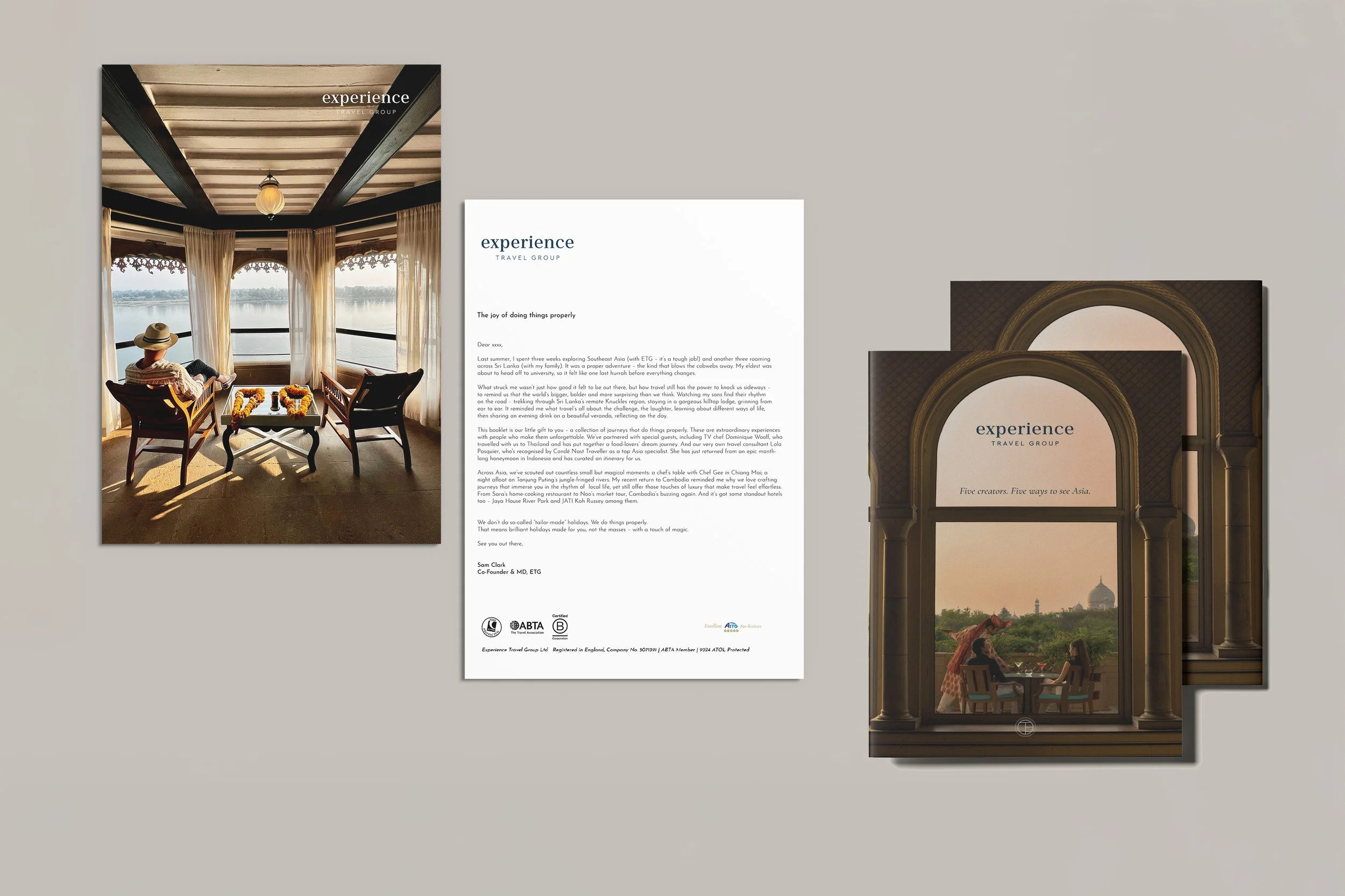
In travel, that might mean:
Highlighting destinations previously browsed
Referencing past trips
Tailoring imagery to family or solo travellers
Adjusting tone for luxury vs value-led customers
The difference between “Explore Europe” and “Your next Mediterranean escape” is more than creative, it’s intent alignment.
QR codes turn inspiration into measurable intent 🤳
The biggest structural shift in travel direct mail is how easily it now connects back into digital journeys. QR codes are no longer experimental, they’re the default bridge between offline inspiration and online booking.
Industry data shows nearly half of modern mail now includes a digital response mechanism, reflecting how physical and digital journeys are merging.
For travel brands, this allows for things like personalised landing pages, pre-filtered destination searches, behavioural tracking and CRM reactivation sequences. This is where direct mail becomes the spark, and digital becomes the engine.
Why travel benefits more than most sectors 📊
Some industries gain incremental benefit from direct mail. Travel however often gains disproportionate benefit due to factors such as:
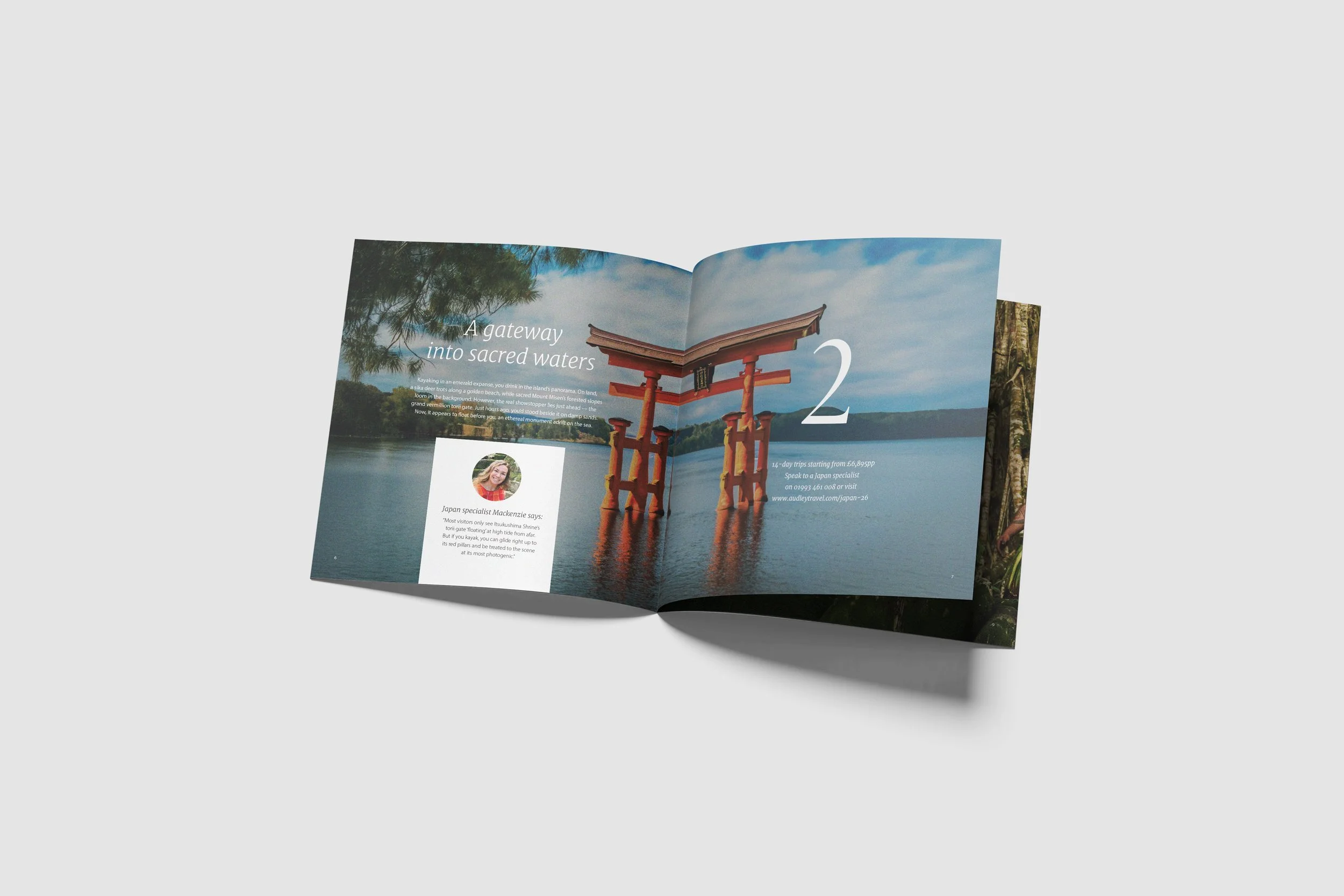
Booking values are high
Decision cycles are long
Emotional engagement drives conversion
Visual storytelling matters
Physical mail amplifies all four of these. So in a category where trust and imagination are central, the tangible nature of direct mail adds weight that digital alone often struggles to replicate.
The real difference is how it’s used 💌
Not all travel direct mail performs equally.
We at JHET have found that the strongest results of travel direct mail campaigns come when brands utilise CRM data to drive relevance, design creative for dwell time rather than quick scanning, build QR-led paths into digital journeys, align mail drops with peak research windows, and measure contribution beyond last-click.
In 2026, direct mail in travel is not about nostalgia, it’s much more about integration. And when connected to digital properly, it improves the performance of the entire mix.
How JHET helps travel brands make direct mail perform 📮
At JHET, we work with travel and leisure brands to design direct mail that does more than inspire. We’ve used over 20 years of experience to craft a perfect blend of data-led personalisation, creative that’s built for engagement, offline to online journey architecture, QR-driven conversion pathways, and performance measurement and optimisation.
Travel decisions are high value and high emotion, and your direct mail should reflect that.